

The Art of the Elevated Buffet: 10 Display Tips to Transform Your Next Hotel Event
Hotel ballrooms are grand, but they can also feel repetitive. When you’re dealing with high ceilings and expansive floor plans, the buffet often becomes the focal point of the room. The challenge for a modern hotelier or caterer is to move beyond the traditional "stainless steel row" and create a display that feels like a gallery installation.
At Plinths New York, we believe that a buffet shouldn't just feed a guest—it should inspire them. Here are our top 10 tips for creating a high-impact, professional buffet display that will impress even your most discerning guests.
1. Master the "Skyline" Effect
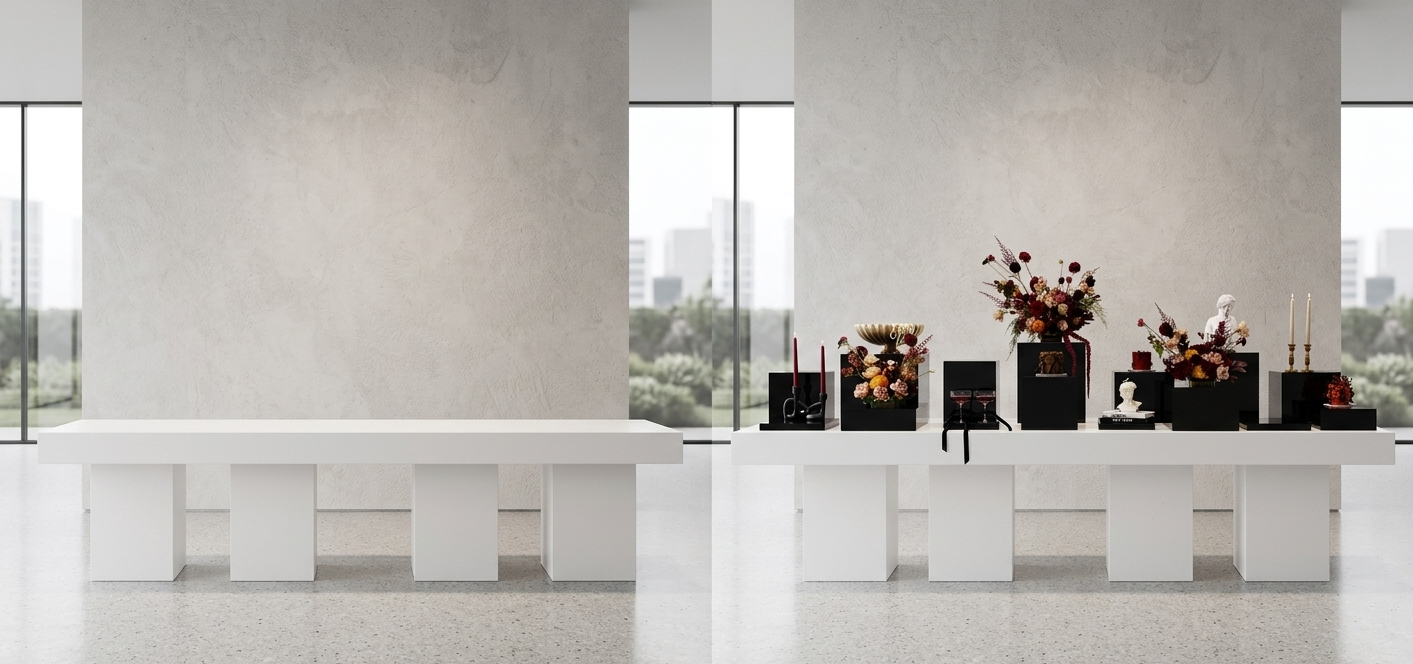
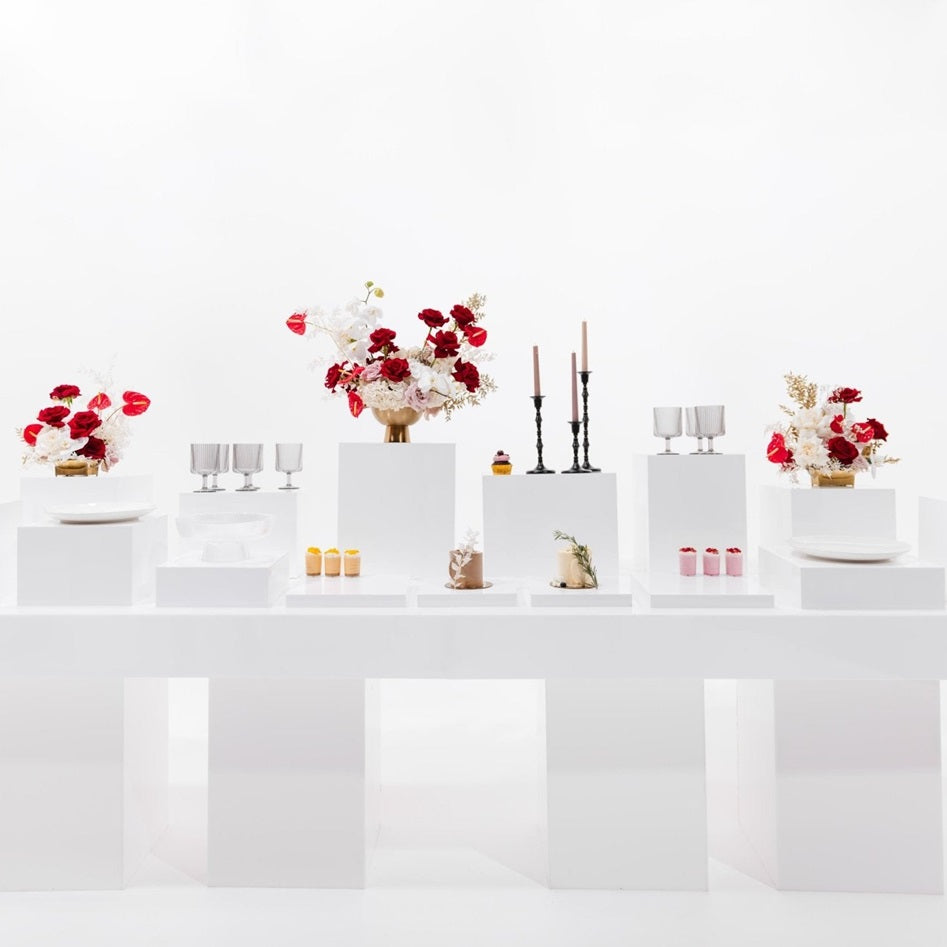
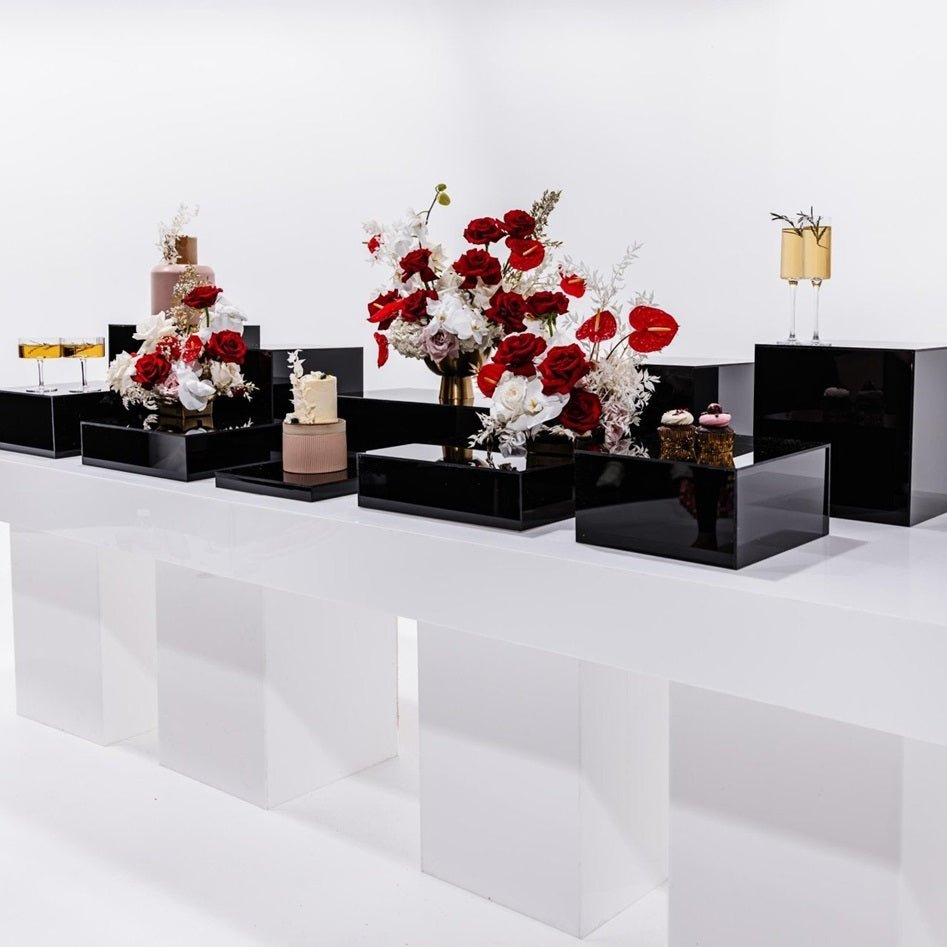
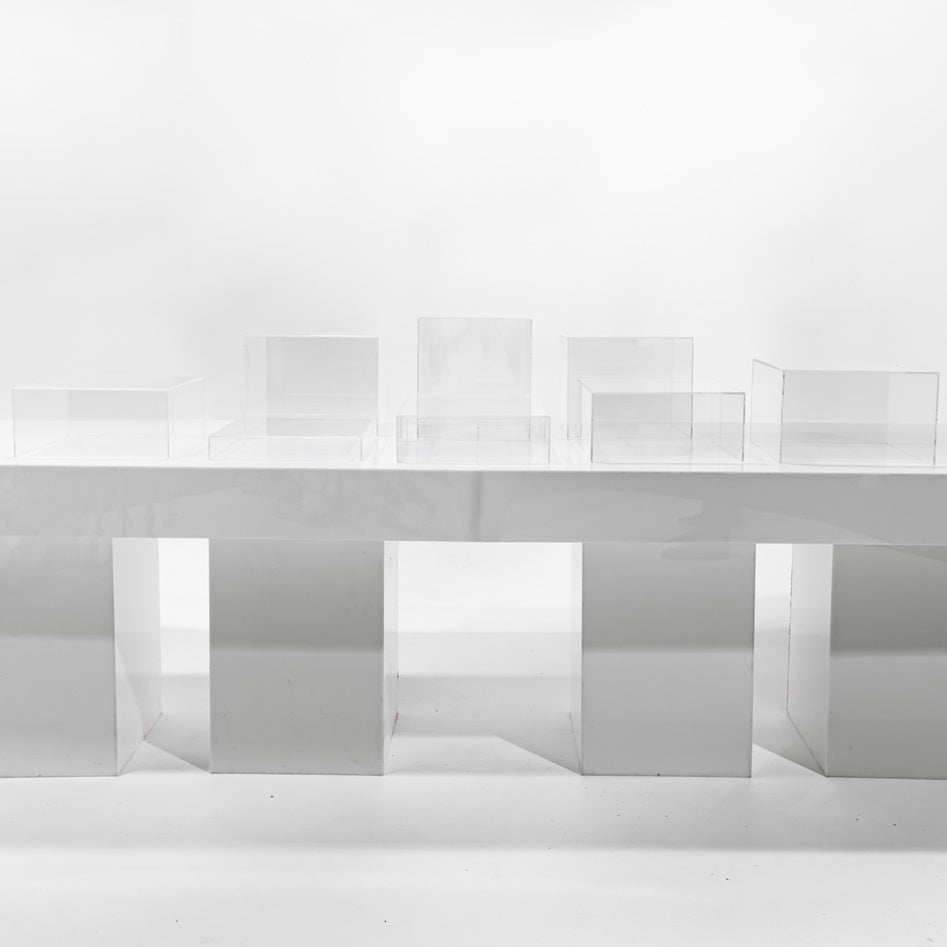
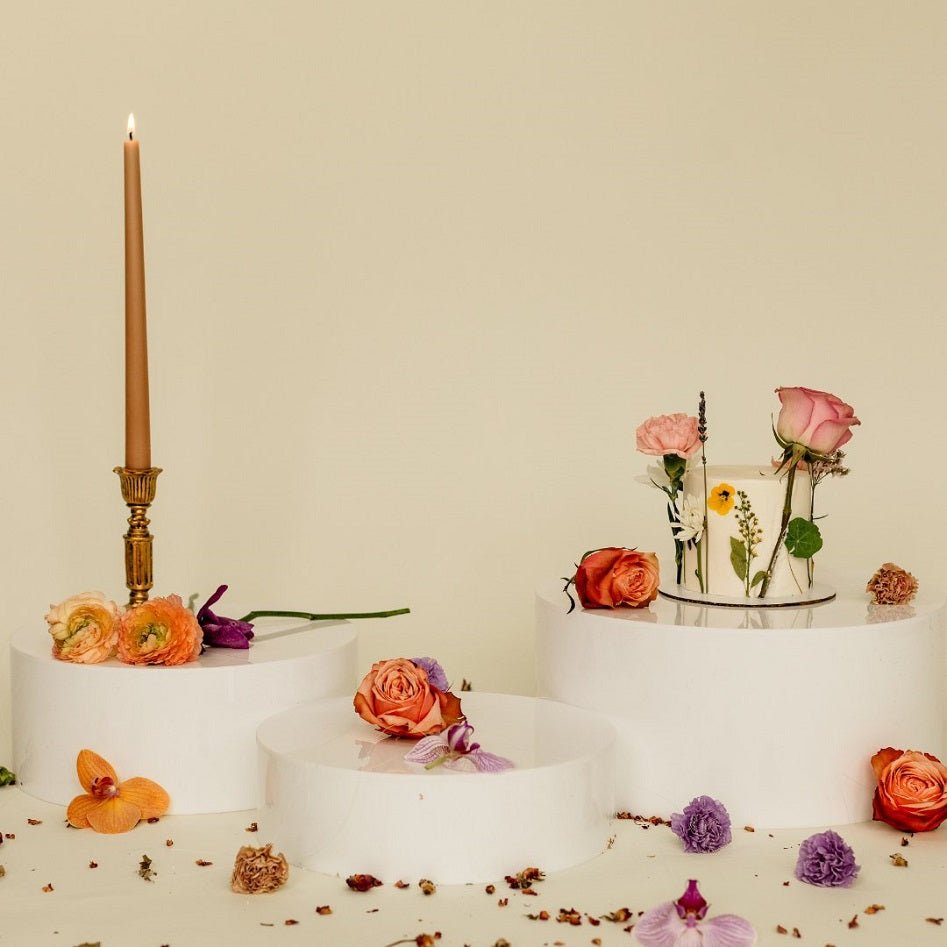
Nothing kills the visual energy of a room faster than a flat buffet. Avoid the "landing strip" look by varying your heights. Use a mix of Round Trio Sets and Skinny Short Risers to create a skyline of food. This not only looks architectural but also makes it easier for guests to reach items in the back without leaning over the front row.
2. The Rule of Three Textures
To prevent a monochrome or all-white hotel setup from looking "flat" in photos, mix your finishes. Pair a matte White Rounded Platter with a White Ribbed Riser and a Clear Escurvé piece. The way each material reflects the ballroom lighting creates "visual friction," making the setup look expensive and intentional.
3. Ditch the Industrial Metal
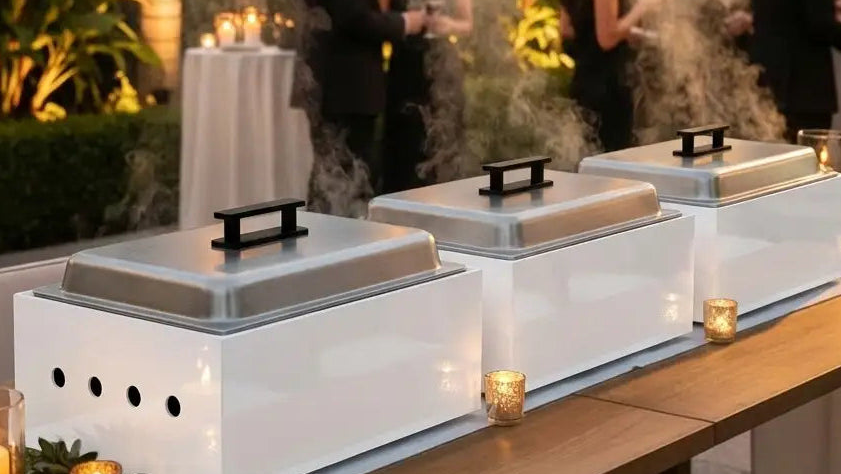
Nothing breaks the "luxury spell" faster than seeing an industrial silver chafing dish in the middle of a high-end gala. Use White Magnetic Chafing Guards to hide the metal. It’s a small change that instantly aligns your food service equipment with the room’s high-end decor.
4. Create "Hero Zones"
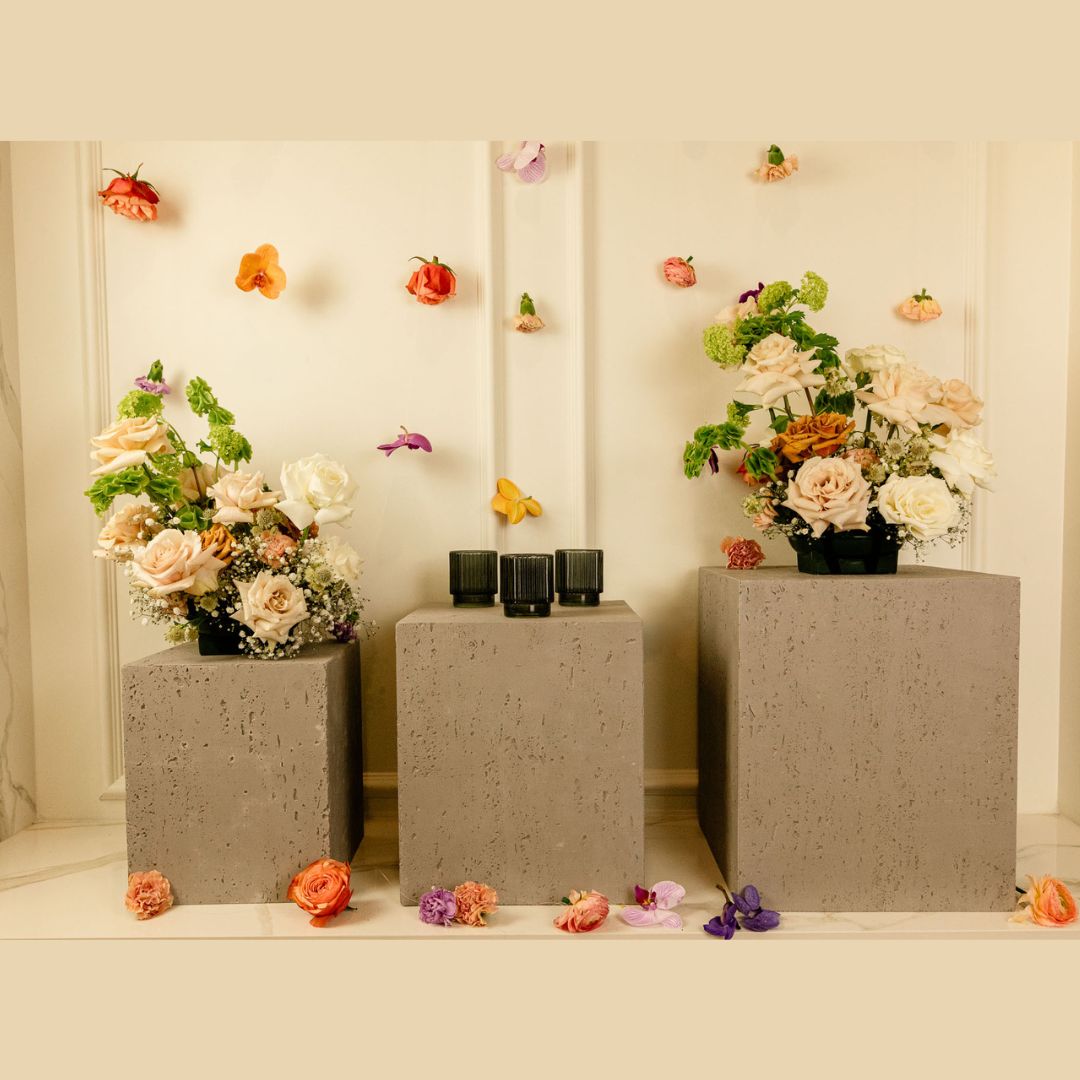
In a long buffet line, the eye needs a place to rest. Designate "Hero Zones" using larger-scale pieces like our Viola Marble Plinths. Use these areas for your most visually stunning items—like an oyster raw bar or a tiered dessert display—to create a natural conversation starter for guests.
5. Prioritize "Silent" Logistics
In a hotel environment, the "clatter" of service can be distracting. High-end teams are now adopting the 20-Foot Silence Rule, where all staff communication near the buffet is non-verbal. Use the Plinths Porter to stage your gear silently behind the scenes, ensuring the guest experience remains totally immersive.
6. Embrace Negative Space
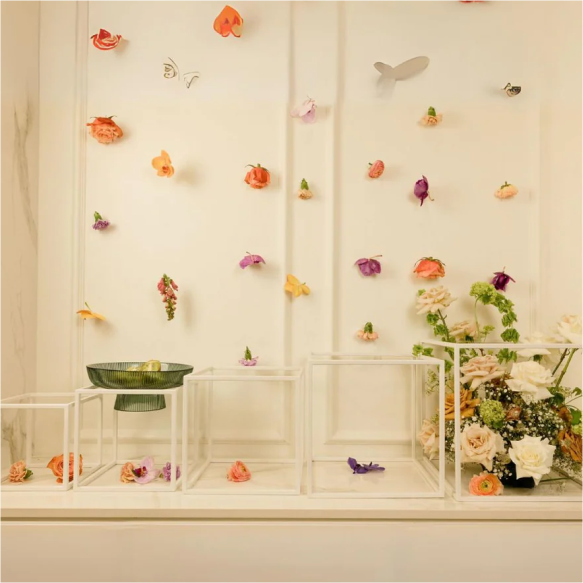
It is tempting to cover every inch of the table with food, but "overcrowding" looks cluttered, not luxurious. Leave deliberate gaps between your risers. This "negative space" allows the architectural beauty of your platters—like the organic grain of Travertine—to shine through, giving the display a "curated gallery" feel.
7. Use Lighting as a Layer
Ballroom lighting is often overhead and harsh. Create a "halo effect" on your buffet by using Clear Acrylic Risers. They catch the light and diffuse it, making your appetizers look like they are glowing from within.
8. The "Guest-Symmetry" Check
Before the doors open, walk the line from the guest's perspective. Can they easily reach the tongs? Is the height of the riser blocking their view of the dish label? A beautiful display that is difficult to use will frustrate guests. Design for the hand as much as the eye.
9. Incorporate "Keepsake" Gifting
Modern hotel events are moving toward "functional favors." Imagine a VIP dessert station where the "plate" is actually a Clear Luxe Bag. Guests can enjoy their petit fours and then take the high-end, branded vessel home as a cosmetic bag or luxury keepsake. It’s a gift that stays with them long after the event ends.
10. The "Cold-Plate" Hydrophobic Hack
Condensation rings on a black or marble plinth can make a beautiful setup look messy within 20 minutes. Before service, apply a light buff of food-grade mineral oil to your stone or acrylic surfaces. This creates a hydrophobic barrier that prevents water from pooling, keeping your "Hero Zone" crisp all night long.
The Bottom Line
Impressing a guest in 2026 requires more than just good food—it requires a choreographed environment. By focusing on texture, height, and silent execution, you transform a standard hotel buffet into a high-production masterpiece.
Build this display with Plinths New York
The acrylic risers, plinths, and modular tables referenced here are all available as professional sets. Browse our buffet display systems sized for 30 to 200+ guest events.
Browse buffet display systems →Ready to add height to your spread? Browse the acrylic buffet risers built for professional catering.